

[공지]] ENR에서 소개해드리는 유럽형 안전사이트입니다. |
A reliable roof starts long before a nail hits a shingle. You win by setting a clear scope, picking proven materials, and mapping a clean schedule that fits your life. We’ll focus on cutting risk while raising build quality, making sure small details don’t turn into painful delays. Skilled crews, tight staging, and neat cleanup also matter when neighbors share the space. We’ll connect planning steps with on-site quality moves so you get durable results, not just quick fixes. In a ranch home, a retail strip, or a two-story with solar, timing and lead times shape decisions. And when you compare bids or ask roofers about warranties, you can press for plain answers that tie to real outcomes. This helps you keep control without micromanaging from the first measurement to the last sweep of a magnet.  Define scope early and reduce scope creep before work startsStart with a simple checklist that names every area, finish detail, and must-have repair, then agree on photos for proof before demo. We’ll summarize the must-fix items, roofing services then confirm access hours, staging zones, and where to store materials. Before signing, do a quick walk with measuring tape and chalk, marking vents, skylights, and seams you care about most. Take time to label ground hazards like sprinkler heads, decorative beds, and AC lines that need cones or mats. Ask who owns pre-demo photos and how they’re stored, since that archive settles most disputes fast. Each clarified point is one less stall on install day. Choose inputs fit for your region and codeMatch shingles or panels to wind zone, snow load, and sun exposure, then size underlayment grade to slope and heat. For shared buildings, coordinate fire rating and ice-barrier rules, roofing services then document color lots to avoid shade shifts later. Sample a vent upgrade, like swapping box vents for a continuous ridge with balanced intake at the soffit. If foam is present, validate a ventilation plan to avoid trapping moisture. Get sample fasteners and a cut sheet in-hand so you can feel the shank and cap. Tiny confirmations now block costly switches later under pressure when the truck gate opens. Sequence crews and deliveries to hit weather windowsBuild a weather-first schedule with two backup dates and a hold plan for windy mornings. Confirm ground protection mats, driveway access, and morning load times, roofing services then stage tear-off tools away from kids’ paths. Create a "go/no-go" checklist by 6 a.m., with radar checks, gust thresholds, and backup tarps pre-folded. Stage a rolling magnet sweep every two hours to keep walkways clear. If a storm pops, cap-nail edges and seal weak seams while moving crews under cover. A crisp pause-and-protect routine avoids emergency calls. Lock quality and manage risk with tight checkpointsUse four mandatory inspections: deck, dry-in, in-progress, and final, each with photos and pass/fail notes. During dry-in, log underlayment laps, roofing services then record nail spacing within spec on every field square. For risk, assign one lead to weather calls, change orders, and homeowner updates. One point of contact shrinks confusion when decisions get urgent. Keep a punch list running daily, image-backed, and close items before the last load comes down. Doing it now beats a cold return trip. Balance cost with trade-offs that still meet goalsPrice the job in layers: must-do repair, performance add-ons, and nice-to-have finishes. In one ranch example, upgrade only ridge ventilation and valley metal, roofing services then hold off on gutters until fall. Negotiate value by swapping premium color for standard while keeping the better underlayment. Keep ice barriers and flashings non-negotiable. Ask for a magnet sweep commitment and a next-day return for final tidy-up. Small service guarantees can beat a tiny discount for peace of mind. Verify match with your team and ask smart questions upfrontScreen by communication style as much as by price or product. Ask who sends updates, how often, and in what format, roofing services then request two recent jobs you can drive by. 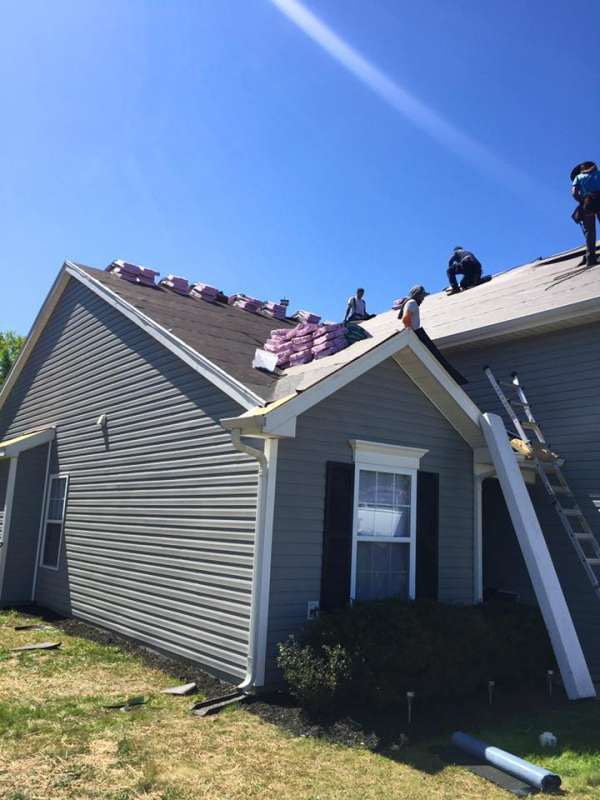 Finally, confirm who handles permits, debris hauling, and final inspection sign-off. Clarify warranty response speed and the actual person who arrives. Require proof of coverage and license fit for your city. You only need to ask once to save headaches later. In the end, start with a sharp scope, pick climate-smart materials, and run a weather-aware plan that leaves room for pivots. Tie those moves to crisp inspections that catch issues early, and push for terms that balance cost with long-term value. Then vet communication habits so you know exactly who will answer your call tomorrow. With that approach, you gain control, cut risk, and set a smooth path from prep to the final sweep—without leaning on roofers twice for the same fix. 댓글 0 |


